How Office Design is Bringing People Back to the Office | Designer Insights with Melanie Ewing
Posted by Melanie Ewing on Sep 17th 2024
The pandemic has reshaped the way we work, making remote work the norm for many. However, as businesses seek to transition employees back to the office, the design of these spaces has become a key factor in making the move appealing. Modern offices are no longer just places to clock in hours; they are evolving into dynamic hubs of collaboration, creativity, and well-being, offering environments that remote work simply can't replicate.
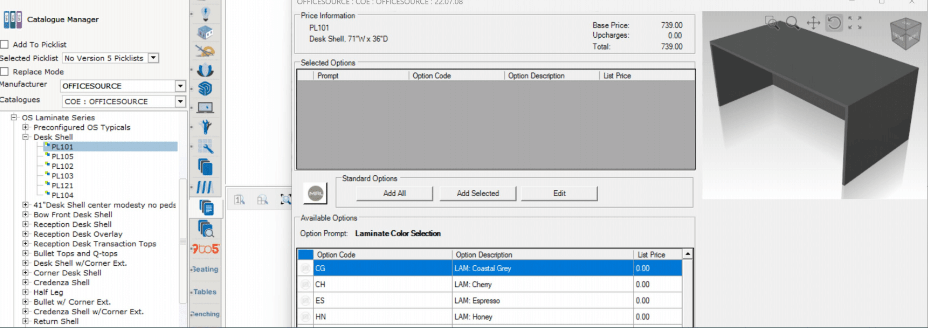
To support this transition, OfficeSource is introducing their Product Library to CET Designer, a cutting-edge space planning tool. With this all-in-one software, designers, salespeople, and dealerships can collaborate to create inspiring commercial spaces that entice employees back to the office. Learn how innovative office design is transforming workplaces and making in-person work more appealing than ever before.
1. Creating a Hybrid-Ready Environment
The hybrid work model is here to stay, and office design is adapting to accommodate this. Offices are being equipped with technology that seamlessly integrates remote and in-office work. From advanced video conferencing setups to collaborative workstations, the goal is to ensure that those working from home feel just as connected as those in the office. This hybrid-readiness makes the office a key player in team cohesion and collaboration, providing spaces where in-person interactions complement digital communications.
2. Focus on Wellness and Well-being
Post-pandemic, there's an increased focus on health and wellness in the workplace. Office designs now incorporate features that promote physical and mental well-being. This includes improved air quality systems, access to natural light, and biophilic design elements such as indoor plants and green walls. Wellness rooms, where employees can meditate, take a break, or even exercise, are becoming standard. By prioritizing well-being, offices are not just places to work but also spaces where employees can thrive.
3. Flexible and Adaptable Workspaces
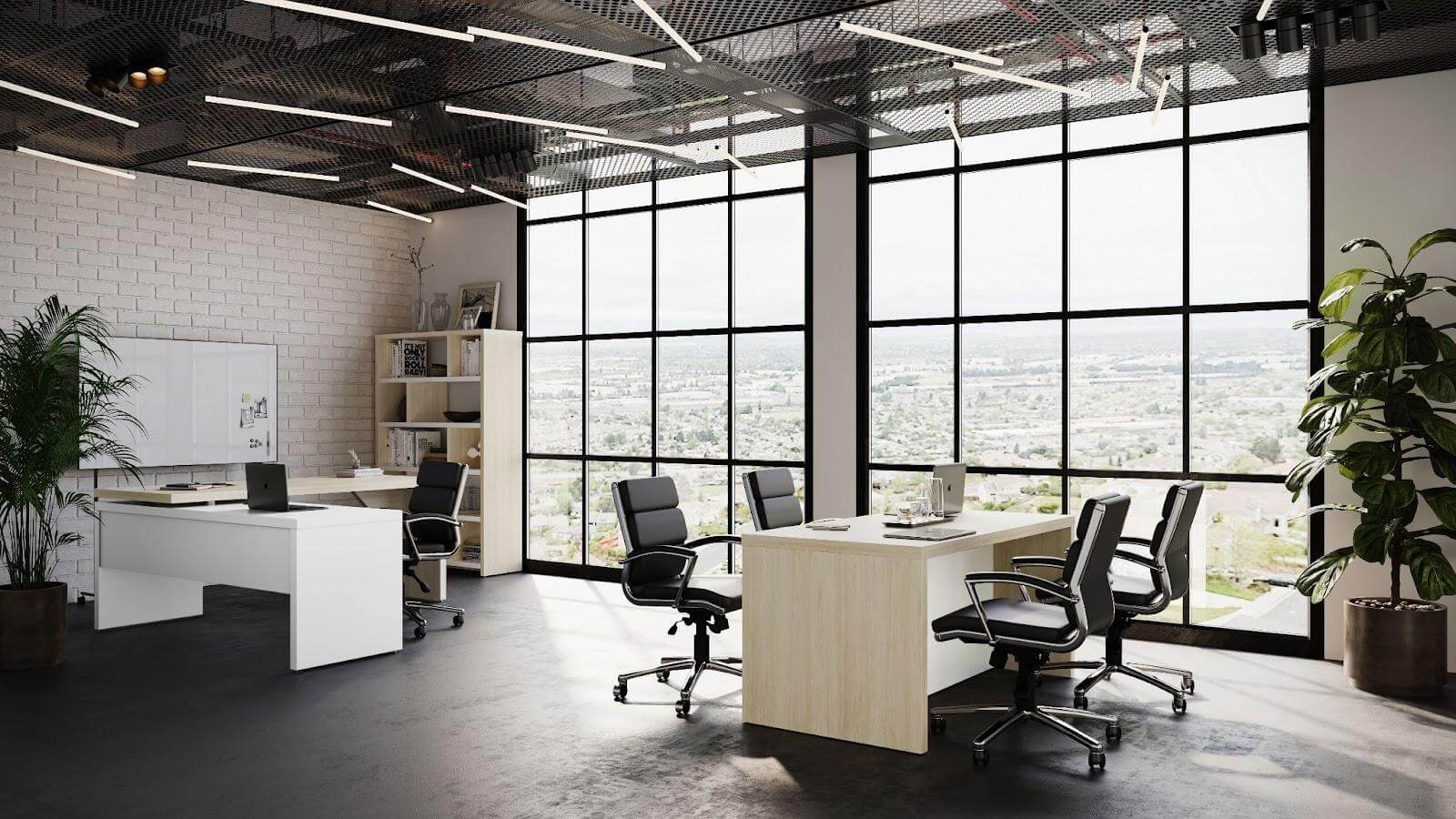
Gone are the days of rigid cubicles and assigned seating. The modern office is all about flexibility. This includes hot-desking, where employees choose where they want to work each day, depending on their tasks. Collaborative spaces with movable furniture allow teams to reconfigure their environment to suit their needs, whether for brainstorming sessions or quiet focus time. This adaptability makes the office a dynamic space that supports diverse work styles, encouraging people to return for the variety it offers. Incorporate style and collaboration with the Lucca Collection. Choose from a light or a dark finish to match your office design and aesthetic.
4. Incorporating Social Spaces
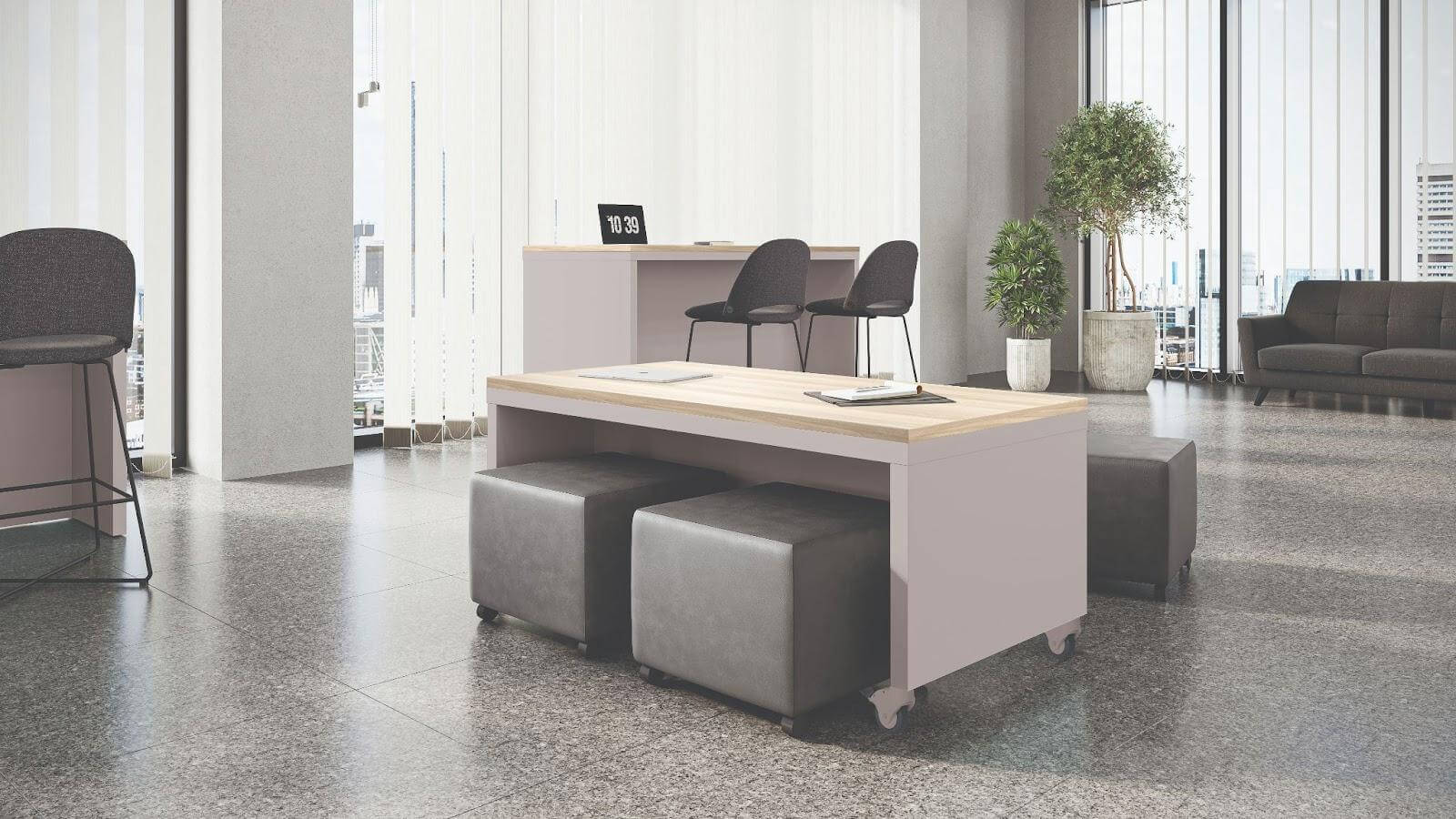
The social aspect of work is something many have missed during the pandemic. Office design is now focusing on creating inviting social spaces where employees can connect, collaborate, and unwind. Cafés, lounges, and even game rooms are being integrated into office layouts. These spaces foster informal interactions that can lead to spontaneous ideas and stronger team bonds, offering a social experience that’s hard to replicate remotely. Pieces from the new Sofia Collection are perfect for building a space to be social. Move with ease to build your space, as needed.
5. Emphasizing Sustainability
Sustainability is becoming a core aspect of office design, resonating with the values of modern workers. From using sustainable materials to incorporating energy-efficient systems, offices are being designed with the environment in mind. Green certifications like LEED are increasingly sought after, and companies are showcasing their commitment to sustainability as part of their brand identity. This not only attracts employees who prioritize environmental responsibility but also creates a workspace that feels modern and forward-thinking.
6. Aesthetic Appeal and Brand Identity
A well-designed office reflects a company’s brand and culture, making it a place employees want to be. Whether it’s through bold, vibrant colors, sleek modern furnishings, or art installations that reflect the company’s mission, the aesthetics of an office can create a strong sense of identity and pride. Employees are more likely to feel connected to a space that resonates with their company’s values and culture, making them more inclined to spend time there.
7. Providing Purposeful Amenities
Offices are increasingly being designed with amenities that make the workday more enjoyable and convenient. This could include on-site gyms, wellness centers, cafés with healthy food options, or even childcare facilities. These amenities not only make the office a more appealing place to be, but also support work-life balance, which is crucial for employee satisfaction and retention.
Bringing employees back to the office in a post-pandemic world requires more than just reopening doors—it demands thoughtful, intentional design that meets the needs and expectations of today's workforce. By crafting spaces that are flexible, wellness-focused, aesthetically pleasing, and socially engaging, companies can transform the office into a place where employees want to be, rather than have to be. As the role of the office continues to evolve, its design will be pivotal in shaping the future of work.
Ready to transform your workspace? Explore the OfficeSource CET Designer Extension today to easily plan and design your office with innovative, collaborative tools. See how you can create a workspace that not only draws employees back, but also fosters a thriving, productive environment. Start designing your future office today!